
Transformers in Critical Applications
The miniaturization of electrical machines is important for building a sustainable energy distribution technology for the decades ahead. The transportation of large transformers can present a number of issues, including increased transportation costs, logistical and installation challenges, potential machine damage, and disruption to loads. In this white paper you will learn:
- The specific benefits and key findings from testing an actual Hiperco 50A alloy
- A deep dive of the specifications and performance metrics for transformers
Download White Paper
Checking your access…
This resource is free. Register once with your work email and every resource on the site opens for you — there is no form to fill in per download.
Already have an account?
We’ve sent a 6-digit code to . It expires in 10 minutes and can be used once.
You are signed in, so this and every other resource is available without a form.
We couldn’t check your access just now. Please reload the page.
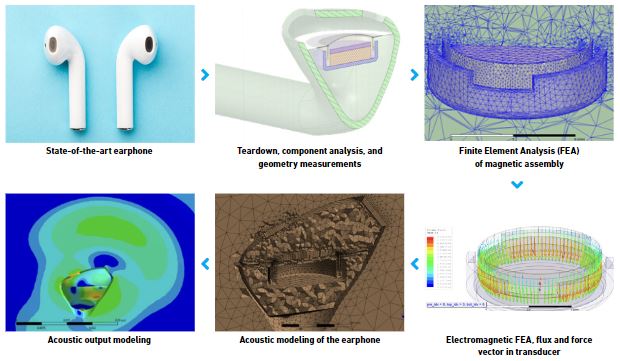
Improving sound pressure level density and reducing operating current
The large size of the transformer also impacts the life of the vehicles, and there are weight restrictions imposed on the transformer size in many cases. Additionally, isolation transformers, often used in naval and aerial defense applications, require small, light, and efficient machines. Incumbent technology such as grain oriented electrical steel (GOES) M6 provides a reasonably efficient solution. However, the system tends to be heavy and bulky, incurring transportation problems and premature vehicle failure due to load.